Defence Technology and Innovation Centre Enters New Development Phase Within VALIC
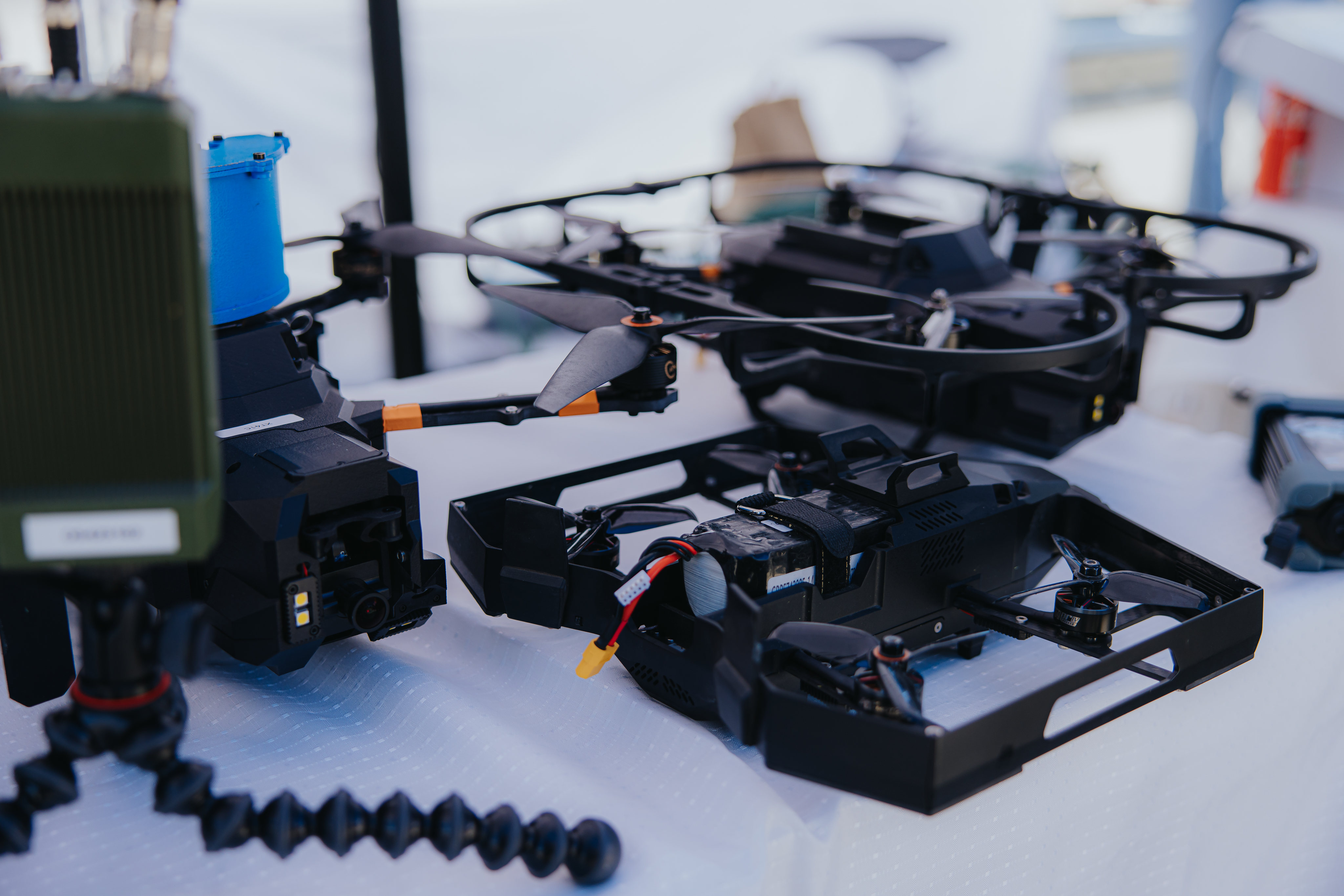
As of October 1, the Defence Technology and Innovation Centre (ATIC) has entered a new phase of development as a structural unit within the State Defence Logistics and Procurement Centre (VALIC). With a strengthened team and expanded functions, ATIC will bring the requirements of the National Armed Forces (NBS) into closer alignment with the capabilities of Latvia’s defence industry, scientific, and research communities, helping to establish a more integrated system for developing and delivering defence innovation.
The integration of ATIC into VALIC represents the next step towards a systematic and comprehensive approach to defence innovation, research, development, and technology adoption. ATIC’s mandate will extend beyond supporting the development of new technologies and solutions to establishing a clearer pathway from defence requirements through ideation, development, testing, and ultimately practical implementation.
Following an open competition, Anete Lūsare has been appointed to lead the Centre. She brings more than 15 years of experience in strategic project management and inter-institutional cooperation, including more than eight years in the security and defence sector. Previously, Anete Lūsare managed projects for the Federation of Security and Defence Industries of Latvia (DAIF Latvija) and coordinated cooperation among companies, research institutions, and public-sector organisations in the fields of defence and security. She also has extensive experience in defence industry policy and regulatory development, ecosystem building, and the coordination of innovation and technology development.
“I am pleased that we have built a strong team and appointed a leader with the relevant experience, a deep understanding of the defence sector, and the ability to bring together different stakeholders. Anete Lūsare’s experience working with the defence industry, public institutions, and inter-institutional projects provides a strong foundation for ATIC, as a structural unit within VALIC, to deliver on its expanded mandate and achieve tangible results,” says Lieutenant Colonel Alans Andrulis, Head of VALIC.
Anete Lūsare notes that ATIC has now reached an important stage in its development.
“Our goal is to create a system in which every stakeholder - the NBS, industry, researchers, and public institutions - has a clear role and an opportunity to contribute. At the same time, we must ensure that the system works in practice and that successful solutions progress all the way to operational use, strengthening the defence capabilities of Latvia, as well as contributing to the security and resilience of the European Union and NATO. ATIC will serve as a bridge between these stakeholders, helping to move ideas and solutions from initial concepts through to implementation,” says Anete Lūsare.
ATIC’s activities will focus on seven core areas: information flow and single-point-of-contact functions; identification of defence needs and stakeholder coordination; administration of support programmes and instruments; testing and experimentation; implementation of innovation initiatives; management and oversight of national and international projects; and international cooperation and representation.
Particular attention will be given to the involvement of end-users from the NBS and the National Guard. Military expertise is essential to ensuring that technology development is grounded in real operational requirements and plays a critical role in the validation of solutions. ATIC is already developing a mechanism to systematically involve end-users in innovation programmes and initiatives, as well as in testing and experimentation.
ATIC will also strengthen cooperation with Latvian universities, higher education and research institutions, while identifying opportunities to secure European Union and NATO funding to support the delivery of its mandate. In areas such as unmanned systems and border security technologies, closer cooperation between the defence and internal security sectors will also be important.